
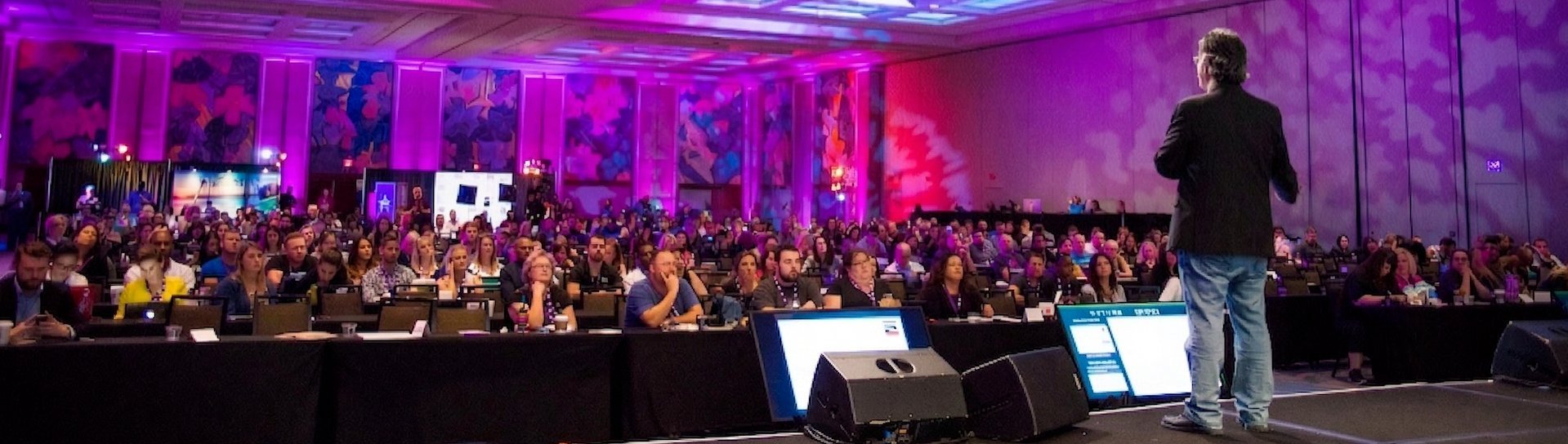
The Ho Chi Minh City AI Conference Scene: What Event Planners Need to Know in 2026
By Joel Comm | A Trusted Voice in a Noisy Tech World
Ho Chi Minh City stands at the epicenter of Southeast Asia's digital transformation. Vietnam's economic powerhouse has evolved from a manufacturing hub into a technology innovation center, with artificial intelligence adoption accelerating across multiple industries. The city's unique position as both a regional business capital and a gateway to emerging markets makes it an increasingly attractive destination for AI conferences and technology events.
The numbers tell the story. Vietnam's digital economy is projected to reach $52 billion by 2025, with Ho Chi Minh City contributing over 60% of that growth. Major technology companies like FPT Software, VNG Corporation, and TMA Solutions have established significant operations here, while international firms including Samsung, Intel, and Microsoft have expanded their regional presence. This concentration of technological talent and investment creates fertile ground for AI education and thought leadership events.
Banking and fintech drive much of the AI conversation. Vietcombank, BIDV, and emerging fintech players like MoMo are implementing machine learning for fraud detection, credit scoring, and customer service automation. Manufacturing companies in the city's industrial districts are deploying computer vision and predictive maintenance systems. Healthcare institutions are exploring AI diagnostics and patient management solutions. These industries need practical AI guidance, not theoretical presentations.
Ho Chi Minh City's Conference and Event Ecosystem
The Saigon Exhibition and Convention Center (SECC) anchors the city's event infrastructure. Located in District 7, SECC offers 30,000 square meters of exhibition space plus multiple conference halls equipped for simultaneous interpretation and live streaming. The venue regularly hosts major technology events including the Vietnam International Trade Fair and the Ho Chi Minh City Computer Fair.
The Gem Center in District 1 provides a more intimate setting for executive conferences. Its location near the financial district makes it popular for banking and fintech events. The facility's modular meeting spaces can accommodate everything from 50-person workshops to 500-attendee keynote presentations.
Downtown venues like the Caravelle Hotel and the Park Hyatt Saigon offer premium conference facilities in the heart of the business district. The Caravelle's Saigon Ballroom has hosted numerous international business summits, while the Park Hyatt's meeting rooms provide sophisticated settings for C-suite gatherings.
The Landmark 81 complex in Binh Thanh District represents the new generation of conference facilities. Its Sky Bar and meeting floors offer panoramic city views that create memorable experiences for attendees. The complex's proximity to tech companies in the Thu Duc area makes it strategically positioned for industry events.
Annual events like the Vietnam Mobile Day and the Ho Chi Minh City Innovation Festival have established the city as a regional technology conference destination. These events typically draw 1,000 to 3,000 attendees from across Southeast Asia, creating networking opportunities that extend beyond Vietnam's borders.
Industries Driving AI Adoption in Ho Chi Minh City
Banking and financial services lead AI implementation in Ho Chi Minh City. Vietcombank has deployed chatbots for customer service and machine learning algorithms for transaction monitoring. Techcombank uses AI for credit risk assessment and fraud detection. These institutions face regulatory pressure to modernize while serving a population rapidly embracing digital banking. An AI keynote speaker Ho Chi Minh City audiences would expect needs to address compliance challenges alongside technological opportunities.
Manufacturing represents the city's industrial backbone, with companies in the Binh Duong and Dong Nai industrial zones implementing Industry 4.0 technologies. Samsung's massive facility in Thu Duc employs computer vision for quality control and predictive maintenance for production line optimization. Taiwanese and Japanese manufacturers are following suit, implementing AI-powered supply chain optimization and demand forecasting systems. These audiences need practical guidance on ROI measurement and implementation timelines.
Healthcare AI adoption is accelerating rapidly. FV Hospital and the University Medical Center have begun implementing AI diagnostic tools and patient management systems. Vietnam's aging population and healthcare access challenges create urgent needs for technological solutions. Medical professionals in Ho Chi Minh City are particularly interested in AI applications that can extend specialist expertise to underserved areas.
E-commerce and logistics companies like Tiki, Sendo, and Giao Hang Nhanh are implementing AI for inventory management, delivery optimization, and customer personalization. The city's position as a regional distribution hub makes logistics AI particularly relevant. These companies need speakers who understand both the technological possibilities and the practical constraints of emerging market operations.
Real estate and construction companies are exploring AI for property valuation, construction project management, and smart building systems. The city's rapid urban development creates opportunities for AI-enhanced planning and management systems.
What Ho Chi Minh City Audiences Want from an AI Keynote Speaker
Vietnamese business culture values practical results over theoretical concepts. Audiences in Ho Chi Minh City want to understand specific implementation strategies, cost-benefit analyses, and timeline expectations. They appreciate speakers who acknowledge the unique challenges of implementing AI in emerging markets, including infrastructure limitations and talent constraints.
Technical depth matters, but accessibility is crucial. Many decision-makers in Ho Chi Minh City come from business rather than technology backgrounds. An effective AI speaker in Ho Chi Minh City must translate complex concepts into business language while maintaining technical credibility. Case studies from similar markets in Southeast Asia resonate more strongly than examples from Silicon Valley or European capitals.
Cultural sensitivity enhances speaker effectiveness. Understanding Vietnam's relationship with technology adoption, regulatory environment, and business hierarchies helps speakers connect with their audiences. Ho Chi Minh City professionals appreciate speakers who have researched local market conditions and can reference Vietnamese companies or regional challenges in their presentations.
Interactive elements work well in this market. Vietnamese audiences prefer presentations that include Q&A sessions, live demonstrations, and opportunities for networking. Workshop-style sessions that allow attendees to work through AI implementation challenges generate positive responses.
Cost consciousness is always present. Speakers who address budget constraints, phased implementation approaches, and open-source alternatives demonstrate understanding of local business realities. Ho Chi Minh City audiences want to know how to achieve AI benefits without Silicon Valley budgets.
The Ho Chi Minh City Advantage for Conference Planners
Tan Son Nhat International Airport provides excellent connectivity throughout Southeast Asia. Direct flights connect Ho Chi Minh City to Singapore, Bangkok, Kuala Lumpur, and other regional business centers. This accessibility makes the city attractive for regional conferences targeting attendees from multiple countries.
Hotel inventory supports large-scale events. The city offers over 15,000 hotel rooms across all categories, from luxury properties like the Park Hyatt and InterContinental to business-focused hotels near conference venues. Room rates remain competitive compared to Singapore or Hong Kong, with luxury accommodations available for $150-250 per night.
October through March provides optimal weather for conferences. Temperatures stay below 85°F with minimal rainfall, creating comfortable conditions for attendees. This timing also avoids the Tet holiday period in late January or early February.
Ground transportation infrastructure continues improving. The city's metro system now connects major hotel and conference areas. Taxi services like Grab provide reliable transportation, though traffic congestion requires careful schedule planning. Many venues offer shuttle services to reduce transportation complications.
Cost advantages are significant. Venue rental, catering, and production costs in Ho Chi Minh City typically run 30-50% below comparable cities like Singapore or Bangkok. These savings can fund higher-quality speakers or enhanced attendee experiences.
Local production capabilities have matured. Audio-visual companies like AVT Event and Solivex provide international-standard equipment and technical support. Simultaneous interpretation services are readily available for multi-language events.
The city's compact conference district allows easy movement between venues. Most major conference facilities, hotels, and business centers lie within a 15-minute drive of each other, facilitating multi-venue events or attendee hotel choices.
Ho Chi Minh City's emergence as an AI and technology conference destination reflects Vietnam's broader digital transformation. The city combines growing technological sophistication with practical business needs, creating audiences hungry for actionable AI insights. Conference planners benefit from excellent infrastructure, competitive costs, and regional connectivity. If you're planning an AI-focused conference or corporate event in Ho Chi Minh City, explore how an ai keynote speaker ho chi minh city can transform your next event.
Get Joel’s Free Guide
AI Made Simple for Your Organization, six plain-language principles every leader needs right now. No tech lingo. No hype. Just what actually works.
