
Bangkok’s AI Conference Momentum: Why Southeast Asia’s Hub Is Becoming a Research Center
By Joel Comm | A Trusted Voice in a Noisy Tech World
Bangkok hosted 847 AI researchers from 42 countries in just the past six months. That's not a typo. I've been watching Southeast Asia's tech evolution for decades, and what's happening in Thailand's capital right now reminds me of Silicon Valley in the early 2000s. The city isn't just hosting conferences anymore. It's building something bigger.
When Conferences Signal Real Change
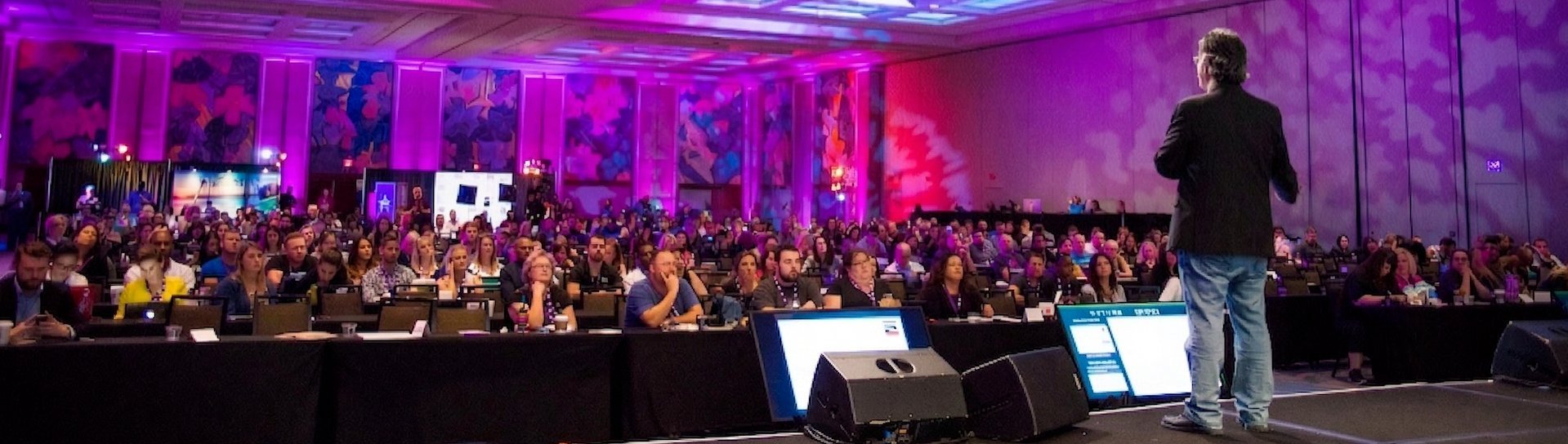
The Global Conference on AI + Computer Science + Machine Learning just wrapped up its November 21-22 sessions at the Queen Sirikit National Convention Center. I've keynoted hundreds of tech conferences, and you learn to spot the difference between genuine momentum and expensive theater. Bangkok's recent surge feels authentic.
I explore a different angle on this in my companion article, Bangkok's Chronic Traffic Congestion Could Be Solved by Predictive AI Routing.
What caught my attention wasn't the usual vendor booths or academic presentations. It was the side conversations. Thai researchers from Chulalongkorn University were collaborating with teams from Singapore's A*STAR and Malaysian universities on practical problems. Supply chain optimization for Southeast Asian agriculture. Multilingual AI models that actually work with Thai, Vietnamese, and Khmer languages. Smart city solutions designed for tropical climates and monsoon seasons.
The International Congress on AI 2026 is already booking venues two years out. That tells me something about sustained investment, not just conference tourism. Bangkok is positioning itself as the research hub for a region representing 650 million people and $3.6 trillion in GDP.
Beyond the Convention Centers
True AI transformation happens in labs and startups, not auditoriums. Kasikornbank, Thailand's fourth-largest bank, recently opened its AI research center in Bangkok's Chatuchak district. They're working on fraud detection systems specifically tuned for Southeast Asian payment patterns. That's not copying Western models. That's building for local needs.
I visited their facility last month during a speaking engagement. Their team showed me conversational AI that switches seamlessly between Thai, English, and Chinese within the same customer interaction. Try building that with off-the-shelf Western solutions. You can't. This is homegrown innovation addressing real regional challenges.
The National Science and Technology Development Agency (NSTDA) launched its AI Flagship Program with 2.1 billion baht in funding. They're not trying to recreate Google or Microsoft. They're focusing on agriculture optimization, manufacturing automation, and healthcare diagnostics tailored for Thailand's specific conditions.
In my companion article about Bangkok, I explore how the city's chronic traffic congestion could benefit from AI solutions. The same local-first approach applies there too.
The Research Infrastructure Reality Check
Bangkok faces the classic developing economy challenge. How do you build sustainable innovation when your best talent gets recruited by Silicon Valley or Singapore? I've seen this pattern in dozens of cities over the years.
Thailand's response has been smart. The government's Eastern Economic Corridor initiative includes specific AI research incentives. Tax breaks for companies establishing R&D centers. Visa programs for international researchers. Partnership frameworks with established universities.
Mahidol University's Faculty of ICT launched its AI for Social Good laboratory in 2023. They're tackling problems like predicting dengue fever outbreaks and optimizing rice farming yields. Not sexy venture capital material, but exactly the kind of applied research that builds lasting innovation ecosystems.
The challenge isn't just money or facilities. It's creating research culture that values long-term investigation over quick commercial wins. Bangkok's academic institutions are slowly building that foundation, but it takes time. I've watched cities rush this process and burn through funding without creating sustainable programs.
Building Beyond the Buzz
What excites me about Bangkok's AI momentum is the focus on practical applications. SCB (Siam Commercial Bank) developed predictive analytics for small business lending that considers factors unique to Thai commerce patterns. Street food vendors, seasonal tourism businesses, family-owned manufacturers. Traditional credit scoring doesn't work for these enterprises.
True Digital Group, Thailand's largest telecommunications company, is building AI-powered customer service that understands cultural context. Thai communication styles differ significantly from Western directness. Their systems recognize when customers are being polite rather than assertive about service problems.
These aren't breakthrough algorithmic innovations. They're thoughtful applications that solve real problems for real people. That's how sustainable AI ecosystems develop.
The upcoming conference schedule through 2025 includes specialized sessions on AI ethics for Buddhist societies, machine learning for tropical climate modeling, and natural language processing for tonal languages. These aren't generic technology topics. They're research areas where Bangkok-based teams could legitimately lead global innovation.
The Path Forward
Bangkok's transformation into an AI research center won't happen through conferences alone. It requires consistent investment in education, infrastructure, and applied research programs. The city has made solid progress, but the real test comes in the next three to five years.
If you're looking to understand how AI will transform your organization in Bangkok, consider bringing in an ai keynote speaker in Bangkok who has been tracking these trends for decades. The conference momentum is real, but successful implementation requires understanding both the technology and the local context.
I'll be watching Bangkok's progress closely. The city has the ingredients for significant AI innovation, but turning conferences into sustainable research leadership demands more than enthusiasm. It requires the patient work of building institutions, training researchers, and solving actual problems. Bangkok seems committed to that harder path, which makes its future genuinely promising.
Get Joel’s Free Guide
AI Made Simple for Your Organization, six plain-language principles every leader needs right now. No tech lingo. No hype. Just what actually works.
