
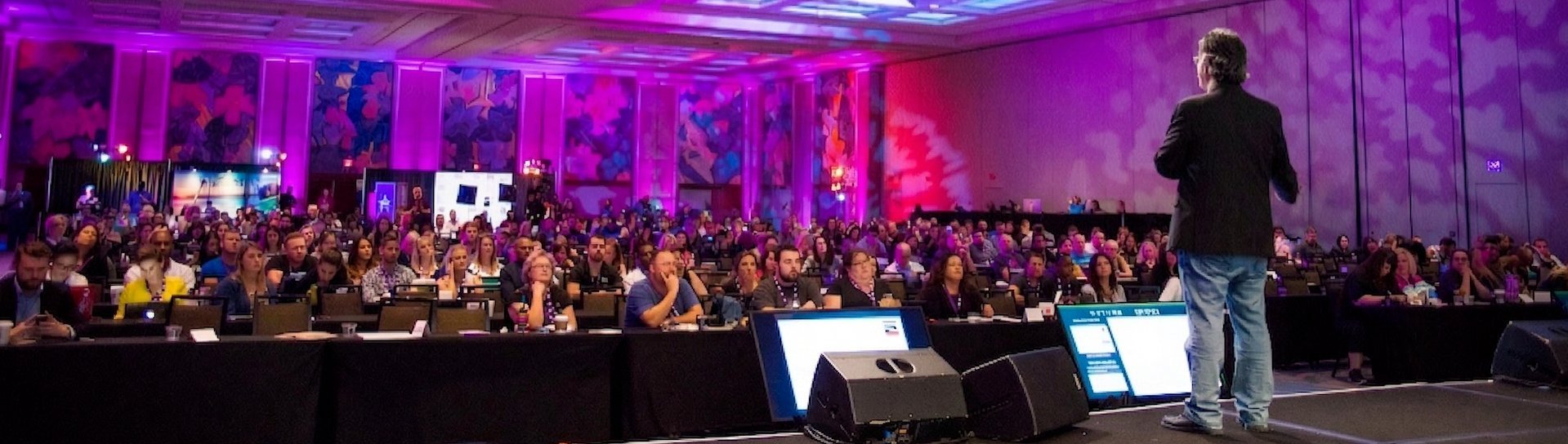
Buenos Aires’s Conference Renaissance: Why Argentina Is Becoming an AI Thought Leadership Hub
By Joel Comm | A Trusted Voice in a Noisy Tech World
While Silicon Valley conferences cost $5,000 just to attend, Buenos Aires is hosting world-class AI events for a fraction of the price. The Argentine capital is quietly building something remarkable: a conference ecosystem that's attracting global AI thought leaders while remaining accessible to Latin American innovators.
I've watched this transformation unfold over the past two years. The city that gave us tango and Messi is now choreographing a different kind of performance, one that could reshape how we think about AI development in emerging markets.
The Conference Calendar That Caught My Attention
I explore a different angle on this in my companion article, Buenos Aires's Economic Volatility Could Be Predicted and Mitigated by AI Market Analysis.
The numbers tell a compelling story. Buenos Aires has scheduled multiple international AI conferences throughout 2026, covering everything from robotics to natural language processing. The diversity impressed me more than the quantity.
Take the AI for a Shared Future ASEF symposium happening May 4 at UCEMA. This isn't your typical vendor showcase. The Asia-Europe Foundation is bringing together researchers from three continents to discuss AI's societal impact. That's the kind of cross-cultural dialogue that produces breakthrough thinking.
Then there's the AI in Latam conference set for October 1 at Centro de Convenciones. What caught my eye isn't just another regional AI event. It's specifically focused on Latin American challenges: agricultural optimization, financial inclusion, and urban planning for rapidly growing populations. These are real problems that need AI solutions, not Silicon Valley thought experiments.
The robotics conference, VR plus AI summit, transportation logistics gathering, and smart cities IoT event round out what's becoming a year-round AI conversation. Each addresses specific sectors where Argentina has both expertise and urgent needs.
Why Buenos Aires Makes Perfect Sense
I've spoken at AI conferences on six continents, and location matters more than people realize. Buenos Aires offers something unique: a sophisticated tech workforce combined with emerging market urgency.
The city's universities produce excellent computer science graduates. Universidad de Buenos Aires has been training software engineers since before Argentina's tech boom. Companies like Globant and MercadoLibre proved that world-class technology companies can emerge from South America. Now the question is whether AI innovation can follow the same path.
The timing feels right. Argentina's economic volatility, while challenging for residents, creates perfect conditions for AI experimentation. When traditional business models break down, organizations become more willing to try radical new approaches. In my companion article about Buenos Aires, I explore how Buenos Aires's economic volatility could benefit from AI solutions.
The Missing Link: From Conferences to Companies
Here's where Buenos Aires faces its biggest challenge, and I've seen this pattern before. Great conferences don't automatically create great startup ecosystems. The city is attracting impressive speakers and generating valuable discussions, but converting that intellectual energy into fundable companies requires different infrastructure.
The venture capital scene in Buenos Aires remains thin compared to São Paulo or Mexico City. Most AI startups I've met there are either bootstrapping or seeking international funding. That's not necessarily bad, but it slows down the iteration cycles that drive innovation.
I recently spoke with founders from three AI startups in Buenos Aires. All three were technically sophisticated. Two had paying customers in North America. None had raised significant local funding. They're essentially operating as services companies while developing their AI products on nights and weekends.
This disconnect between conference buzz and startup reality isn't unique to Buenos Aires. I saw similar patterns in Barcelona and Prague during their conference boom periods. The cities that succeeded in converting events into ecosystems did two things well: they attracted patient capital and they focused on specific AI applications rather than trying to solve everything.
The Agricultural AI Opportunity
If I were advising Buenos Aires on AI strategy, I'd point to their most obvious competitive advantage: agriculture. Argentina feeds much of the world, and farming generates massive amounts of data that AI can optimize.
Several companies are already working in this space. Auravant uses satellite imagery and machine learning to help farmers optimize crop yields. REM Agro applies AI to livestock management. These aren't flashy consumer applications, but they address real economic needs with measurable returns on investment.
The transportation and logistics conferences make sense in this context. Moving agricultural products efficiently from farm to port to global markets involves complex optimization problems that AI can solve. The smart cities events connect to urban planning challenges as rural populations migrate to Buenos Aires and other Argentine cities.
Making the Conference Investment Pay Off
The conference organizers in Buenos Aires are doing something smart: they're creating year-round communities, not just annual events. The robotics conference includes quarterly meetups. The NLP gathering maintains active online forums between sessions.
This sustained engagement matters because AI development happens between conferences, not during them. The real value comes from ongoing collaboration, shared resources, and collective problem-solving.
If you're looking to understand how AI will transform your organization in Buenos Aires, consider bringing in an ai keynote speaker in Buenos Aires who has been tracking these trends for decades. The local context matters enormously in AI implementation, and Buenos Aires offers unique opportunities for companies willing to think beyond Silicon Valley solutions.
The city's conference renaissance reflects something deeper: a recognition that AI's future won't be determined solely in San Francisco or Beijing. Buenos Aires is positioning itself as a thought leadership hub for a different kind of AI development, one that prioritizes practical applications over theoretical breakthroughs.
Whether that translates into a sustainable startup ecosystem remains to be seen. But the foundation is being laid, one conference at a time.
Get Joel’s Free Guide
AI Made Simple for Your Organization — six plain-language principles every leader needs right now. No tech lingo. No hype. Just what actually works.
