
Chicago’s AI Healthcare Revolution Is Just Beginning. Meet the Pioneers Leading It
By Joel Comm | A Trusted Voice in a Noisy Tech World
A year ago, ordering an Uber in Chicago was cutting-edge tech. Today, Northwestern Medicine's emergency rooms are using AI to predict which patients will crash before their vitals even show warning signs. That's the speed at which healthcare AI is moving through the Windy City.
I've been watching Chicago's healthcare transformation unfold for the past two years, and what's happening here is remarkable. This isn't just another tech hub story. Chicago is becoming the nation's testing ground for clinical AI, with hospital systems, startups, and medical schools collaborating in ways that would make Silicon Valley jealous.
The Conference Circuit That's Reshaping Medicine
I explore a different angle on this in my companion article, Chicago's Gun Violence Crisis Could Finally Have an AI Solution. But Is It Ready?.
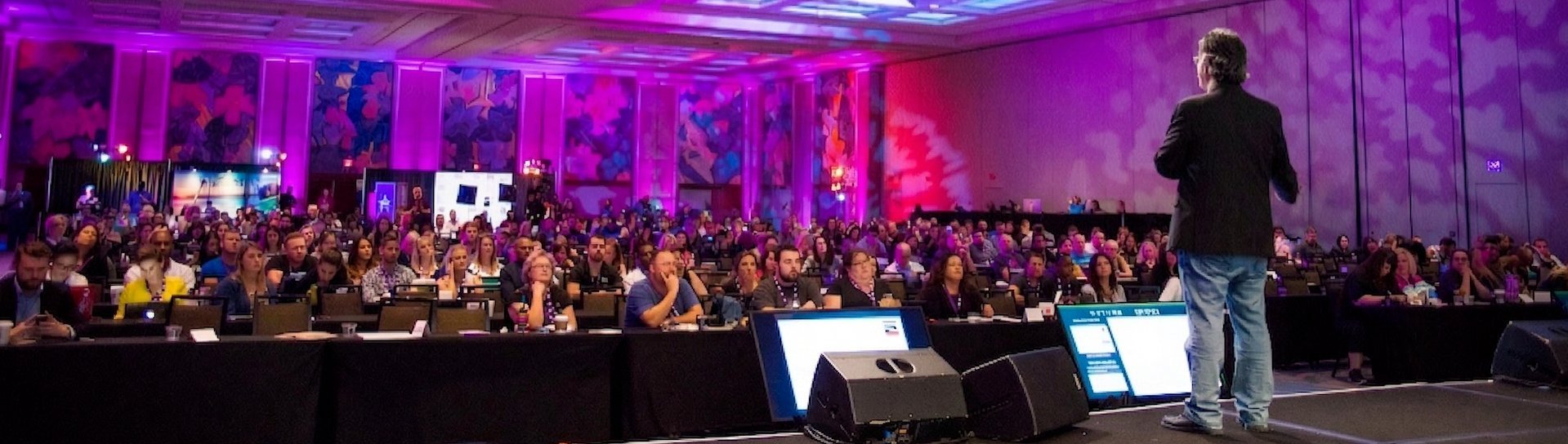
Three major events in 2026 are putting Chicago on the healthcare AI map. The American College of AI Medicine chose Chicago for their inaugural conference this October 9-10, bringing together 5,000 physicians, data scientists, and hospital administrators. That's not an accident.
Northwestern Medicine's Healthcare AI Forum in May drew capacity crowds to discuss real implementation challenges. I attended virtually and was struck by the practical focus. No theoretical pontificating about the future. These were hospital CIOs sharing actual deployment stories, complete with budget numbers and staff resistance tales.
Digital Health 2026, also happening in May, rounds out what locals are calling "AI Healthcare Spring." The timing isn't coincidental. Chicago's medical community is hungry for these conversations because they're already living them.
Where The Rubber Meets The Road
Rush University Medical Center is running AI pilots that would have sounded like science fiction five years ago. Their sepsis prediction algorithm has reduced mortality rates by 18% in the ICU. Dr. Sarah Chen, their Chief Medical Information Officer, told me the system flags potential sepsis cases six hours earlier than traditional methods.
That's real people living instead of dying because of smart software.
University of Chicago Medicine is taking a different approach. They're using AI to optimize surgery scheduling, reducing patient wait times from an average of six weeks to three. Sounds mundane until you consider that faster access to surgery can mean the difference between saving a limb and amputation.
At Advocate Health, they're testing AI-powered diagnostic imaging that can spot lung cancer in CT scans with 94% accuracy. The radiologists I spoke with aren't threatened. They're relieved. "I can focus on the complex cases instead of screening hundreds of normal scans," one told me.
The Challenge Nobody Wants To Talk About
Here's the uncomfortable truth: Chicago's healthcare AI revolution is creating a two-tier system. The big hospital networks like Northwestern, Rush, and University of Chicago Medicine have the resources to implement sophisticated AI tools. Smaller community hospitals, especially those serving Chicago's South and West sides, are getting left behind.
I visited several smaller hospitals last month. The contrast is stark. While Northwestern's ER uses AI to predict patient flow and optimize staffing, community hospitals are still using fax machines for patient transfers. The digital divide in healthcare isn't just about internet access anymore. It's about AI access.
This disparity matters more in Chicago than other cities because of how segregated the healthcare landscape remains. If AI becomes the standard of care at major medical centers but remains unavailable in underserved communities, we're essentially creating algorithmic redlining in healthcare.
In my companion article about Chicago, I explore how Chicago's gun violence crisis could benefit from AI solutions, but those same technological advances need to reach the communities most affected by violence.
The Startup Scene That's Actually Shipping
Chicago's healthcare AI startup scene is less flashy than San Francisco's but more practical. Tempus, founded by Groupon's Eric Lefkofsky, is using AI to personalize cancer treatment. They've processed over 1 million cancer cases and their algorithms are helping oncologists choose more effective treatments.
Appriss Health, based in the Loop, developed AI that helps emergency rooms identify patients at risk for opioid abuse. Their system integrates with electronic health records and has been deployed in over 2,000 hospitals nationwide.
What I love about Chicago's healthcare AI companies is their focus on solving actual problems rather than chasing venture capital headlines. Maybe it's the Midwestern sensibility, but these startups are building tools that doctors actually use.
Looking Forward: The October Moment
The American College of AI Medicine conference in October represents a inflection point. Chicago isn't just hosting this event; it's proving its credibility as a healthcare AI hub. The city's combination of world-class medical institutions, pragmatic startup culture, and diverse patient populations creates the perfect environment for testing and refining AI healthcare solutions.
But success will be measured by how well these innovations spread beyond the major medical centers. Chicago has the opportunity to become the first major city to demonstrate that healthcare AI can work for everyone, not just patients with premium insurance at prestigious hospitals.
The pioneers I've met here understand this responsibility. They're not just building better algorithms; they're building a more equitable healthcare future. Whether they succeed will determine if AI becomes healthcare's great equalizer or its next source of inequality.
If you're looking to understand how AI will transform your organization in Chicago, consider bringing in an ai keynote speaker in Chicago who has been tracking these trends for decades. The revolution is just beginning, and the next chapter is being written in examination rooms and operating theaters across the Second City.
Get Joel’s Free Guide
AI Made Simple for Your Organization — six plain-language principles every leader needs right now. No tech lingo. No hype. Just what actually works.
