
AI Keynote Speaker for Civil Engineering

What's Happening in Civil Engineering Right Now
As a New York Times bestselling author who has spoken at events across four decades in technology, I’ve watched artificial intelligence evolve from theoretical concept to the force now reshaping civil engineering. Through my Disruption Confidence Cycle framework, I help engineering teams understand that AI isn’t replacing engineers—it’s amplifying their capabilities. The infrastructure projects defining our future depend on embracing this transformation thoughtfully.
Civil engineering is entering an AI adoption phase driven by workforce shortages, aging infrastructure, and increasing documentation demands. Firms that once had months to compile inspection reports and environmental assessments are now expected to deliver in weeks. AI tools for report generation, document drafting, and stakeholder communication are already in use at larger firms, and the gap between early adopters and everyone else is widening. The profession's traditional caution around new tools is well-earned, but the cost of waiting is becoming harder to justify.
Civil Engineering Professionals are feeling the pressure from multiple directions:
- Infrastructure inspection report backlogs growing faster than teams can write them up
- Environmental impact assessment writing consuming hundreds of billable hours per project
- Public comment response preparation requiring senior engineers to draft non-technical explanations
- Project timeline communication to stakeholders getting lost in translation between engineering data and plain language
- Permitting documentation complexity increasing with every regulatory update
- Cross-agency coordination gaps causing delays when multiple jurisdictions require different documentation formats
What Joel Brings to Your Civil Engineering Event

A clear, practical look at how AI is already being used in civil engineering workflows — from inspection reports to environmental assessments to grant applications — without overselling or ignoring the real limitations.
I've spent over four decades watching industries that depend on precision and public trust figure out how to adopt new technology without cutting corners. Civil engineering is facing the same inflection point every technical profession hits — the tools are moving faster than the training, and most of your people are either ignoring AI entirely or experimenting without a framework. I bring the perspective of someone who has seen this cycle play out across dozens of industries and knows how to help technical professionals adopt new tools without abandoning the standards that matter.
What Your Audience Will Walk Away Knowing
Audiences leave understanding which AI tools are ready for civil engineering workflows today
Leaders see how AI can reduce documentation backlogs without compromising accuracy
Teams gain confidence in communicating complex project data to non-technical stakeholders using AI
Try It Right Now: The Project Impact Translator
One project. Three audiences. Thirty seconds.
Paste your technical engineering data and get three complete project narratives simultaneously — a public-facing project summary, a city council presentation narrative, and a federal grant application section. Same data, three completely different formats, three different communication goals. Side by side.
Interactive tool loading…
Engineers have never seen one set of technical project data produce three distinct audience-specific narratives at once. It demonstrates that AI isn't just faster — it adapts communication style and emphasis based on who's reading, which is exactly the skill that eats up senior engineer time.
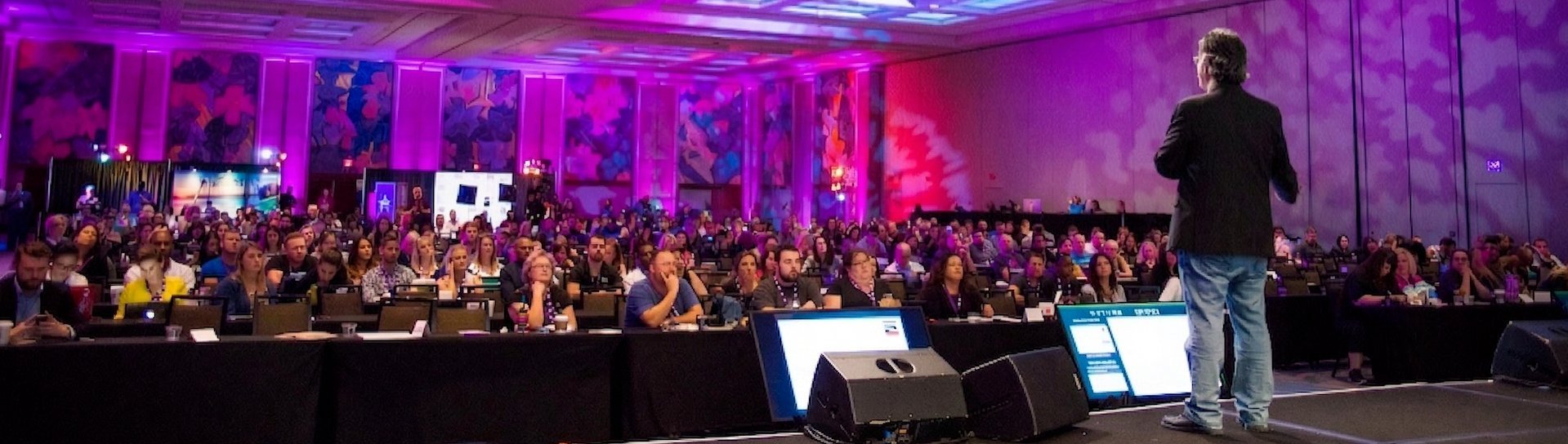
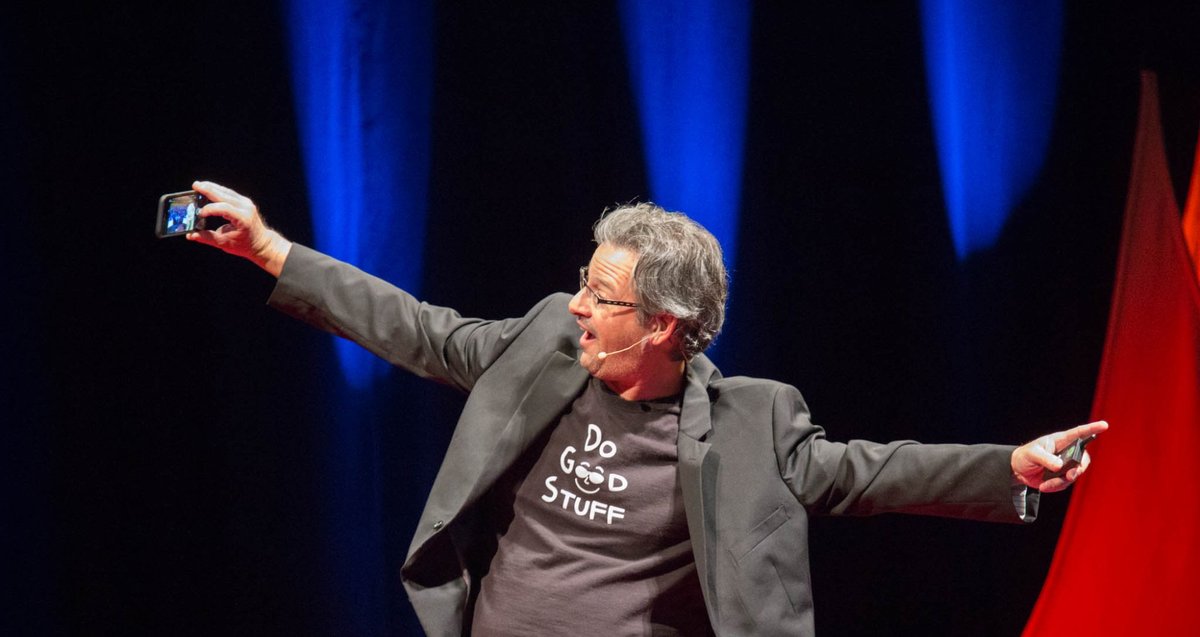
See Joel in Action
Who This Is For
If you're planning a conference, summit, or training program for Civil Engineering Professionals, this session is built specifically for your audience. Joel speaks directly to Association executives and conference organizers and Project managers, department heads, firm principals — the people in the room, not a generic tech crowd.

Whether you're a Conference Program Chair planning your technical sessions, a VP of Professional Development looking for a keynote that actually resonates with engineers, or a Chapter President who needs a speaker your members will remember long after the credits are earned, I'm here to make your event the one people talk about at the next project meeting.














Joel also delivers tailored AI keynotes for CEOs, executive teams, HR leaders, sales teams, IT leaders, and operations leaders.
Get Joel's Free Guide
AI Made Simple for Your Organization — six plain-language principles every leader needs right now. No tech lingo. No hype. Just what actually works.

Common Concerns
"Our engineers don't trust AI with technical documentation"
Good — they shouldn't trust it blindly, and I would never tell them to. What I show your audience is how AI works as a drafting partner, not a replacement for engineering judgment. The engineers who are already using AI effectively aren't handing it the keys — they're using it to generate first drafts of inspection reports, environmental narratives, and public-facing summaries, then applying their expertise to refine the output. That workflow saves hours per project without compromising a single technical standard. Your members need to see that distinction clearly, and that's exactly what I deliver.

"We're in a highly regulated industry — AI can't handle our compliance requirements"
You're right that AI can't handle your compliance requirements alone — and nobody credible is saying it should. But here's what's already happening: firms are using AI to accelerate the writing of permit narratives, environmental impact summaries, and public comment responses while keeping licensed engineers in the review loop. The firms that figure out how to use AI within their regulatory framework are going to move faster than the ones still pretending the technology doesn't exist. I've watched this exact pattern in healthcare, financial services, and legal — all highly regulated, all finding ways to use AI responsibly. Your members deserve to hear from someone who's seen how that transition actually works.
"Our members are already overwhelmed with new software tools"
That's exactly why they need this talk. I'm not here to add another tool to the pile — I'm here to help your members understand which AI capabilities actually matter for their work and which ones are just noise. The biggest risk right now isn't that your engineers adopt too much AI. It's that they ignore it entirely because they're exhausted from the last five software rollouts, and then they're blindsided when their competitors start delivering proposals and reports in half the time.
"We need a speaker who understands engineering, not just technology"
I hear that, and it's a fair concern. Here's what I bring: forty-four years of translating complex technology for professional audiences who care about getting things right. I don't pretend to be a civil engineer — I partner with your leadership before the event to understand your specific workflows, terminology, and pain points. What your members get is someone who can explain AI in their language, with examples from their world, delivered by someone who has earned the trust of technical audiences across dozens of industries.
Frequently Asked Questions About AI Speaking for Civil Engineering
Is this talk appropriate for engineers who aren't tech-savvy?
That's exactly who I designed it for. The whole point is to make AI understandable and practical for professionals who care about precision, not buzzwords. If your members can use project management software, they can follow this talk.
Can Joel customize the talk for our specific engineering discipline or chapter?
Absolutely. I regularly customize content for specific disciplines, regional chapters, and firm types. A talk for a transportation engineering conference looks different from a water resources symposium, and it should.
How is this different from a generic AI keynote?
Most AI speakers talk about the technology. I talk about how civil engineering professionals can actually use it — starting this week. Every example, every tool, every takeaway is specific to your industry, not a recycled tech talk with 'engineering' swapped into the slides.
We covered AI at our conference last year. Won't this feel repetitive?
AI has changed more in the last twelve months than in the previous five years. What your members heard last year is already outdated. This isn't a repeat — it's an update, and the firms already using these tools aren't waiting for your next conference cycle to figure it out.
What format works best — keynote, workshop, or full-day training?
It depends on your goals. A keynote gives your entire audience a shared understanding and energy. A workshop gets smaller groups hands-on with actual tools. A full-day training goes deep. Most associations start with a keynote and follow up with a workshop the next year. I can help you figure out what fits.
More Resources for Civil Engineering Event Planners
AI Tools Civil Engineers Are Actually Using Right Now
Forget the hype — here are the AI tools that civil engineering firms are quietly using to cut report backlogs, speed up permit applications, and communicate project impacts more clearly.
What to Expect from an AI Keynote at Your Civil Engineering Conference
Your members have heard enough vague promises about AI — here's how to give them a session that actually addresses their workflows.
Will AI Replace Civil Engineers? Here's the Honest Answer
Every generation of engineering technology has come with the same prediction: the engineers are done. Every time, that prediction has been wrong — but not for the reason most people think.
How Civil Engineering Associations Can Address AI at Their Annual Conference
If your conference agenda doesn't include AI this year, your members will notice — and they'll wonder why their association is behind.
AI for Infrastructure Inspection Reports: What Actually Works
The inspection report used to be the part of the job that ate weekends — now it might be where AI makes the biggest difference for civil engineering firms.