

AI for Drug Discovery: What Pharmaceutical Professionals Need to Know
By Joel Comm | A Trusted Voice in a Noisy Tech World
As a New York Times bestselling author who has navigated 45 years of technology disruption, I’ve watched AI transform entire industries. Now it’s revolutionizing pharmaceutical research at unprecedented speed. The Disruption Confidence Cycle shows us that early adopters in drug discovery will gain massive competitive advantages. AI isn’t just changing how we find drugs—it’s redefining what’s possible in medical innovation.
AI is compressing parts of drug discovery from years to months. Target identification, compound screening, and literature analysis are all being accelerated — but the gap between vendor promises and lab reality is something every pharma professional needs to understand before signing a contract.
What's Actually Changing
AI is compressing parts of drug discovery from years to months. Target identification, compound screening, and literature analysis are all being accelerated — but the gap between vendor promises and lab reality is something every pharma professional needs to understand before signing a contract.
The shift isn't dramatic from the outside. It's not robots replacing people. It's software handling the parts of drug discovery that never needed a human in the first place — the data entry, the pattern matching, the first draft of something that always gets rewritten anyway.
Where AI Fits in the Workflow
The most useful AI applications in Pharmaceutical aren't the ones that make headlines. They're the ones that save 20 minutes here, an hour there, a day of work compressed into an afternoon.
- AI-generated clinical trial summaries that pull key findings from hundreds of pages into reviewer-ready formats
- AI-assisted regulatory document drafting that creates first-pass submissions for human expert review
- AI-powered literature surveillance that monitors thousands of journals and flags relevant publications in real time
What's Not Ready Yet
Not everything works. AI still struggles with nuance, context that requires industry experience, and anything that involves building trust with another human. The professionals who are getting the most from AI know exactly where to draw that line.
Getting Started Without the Overwhelm
You don't need to understand how AI works to use it. You need to understand your own workflow well enough to know which parts are worth automating.
Start with the task you dread. The one that takes too long, happens too often, and doesn't actually require your best thinking. That's your entry point.
The Bigger Question
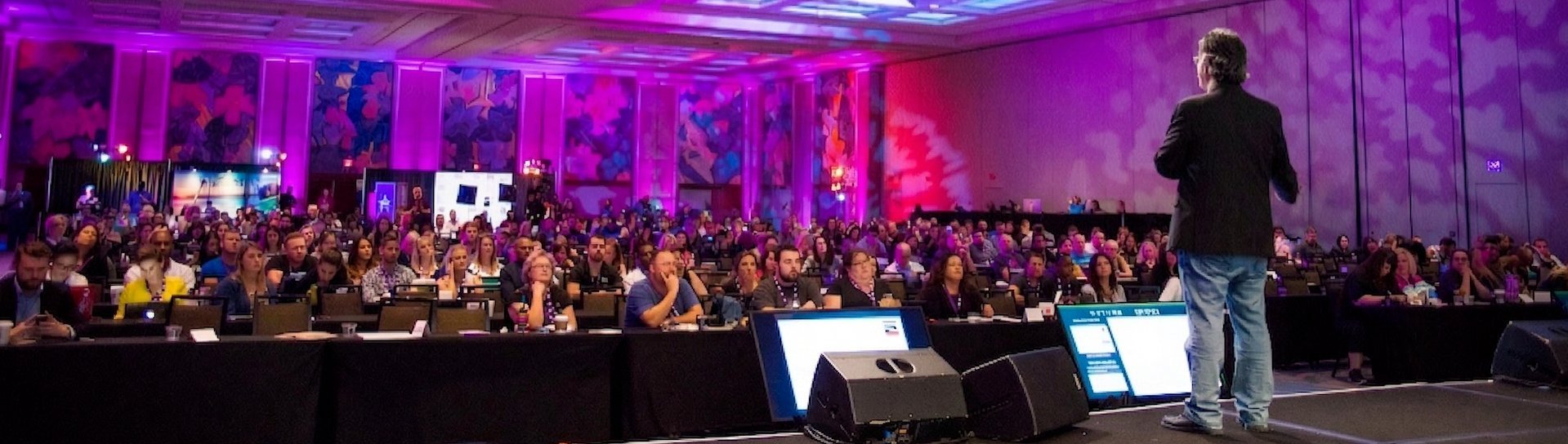
The technology is here. It works. The real question for Pharmaceutical Professionals isn't "should we use AI?" It's "how do we start without disrupting what's already working?" That's exactly what Joel addresses in his Future of Work keynote — helping teams navigate AI adoption without the overwhelm.




Get Joel’s Free Guide
AI Made Simple for Your Organization — six plain-language principles every leader needs right now. No tech lingo. No hype. Just what actually works.
