Will an AI Speaker Customize for My Audience?
The good ones will, and the difference is obvious from the stage. Real customization means the speaker researches your specific audience and rebuilds the examples for your industry, rather than dropping your logo onto a standard talk. The fastest way to tell: ask how they’d open to your exact room. A genuine customizer describes a process. A reel-reader gives you vague reassurance.
This is the question that separates a talk built for your room from a talk built for any room. It’s also the one planners tell me they worry about most, because they’ve all sat through the speaker who clearly gave the same forty-five minutes the night before to a completely different industry.
Customization isn’t a feature you add. It’s the difference between a keynote and a recording.
What real customization actually involves
Swapping your company name into three slides isn’t customizing. It’s find and replace.
A speaker who tailors will ask about your audience before they ever talk about their talk. Who’s in the room, what they’re afraid of, what they already tried that didn’t work, what leadership wants them believing by the closing session. Then they rebuild the examples so the room recognizes itself. A banker hears a banking example. A room of franchisees hears something that happened to a franchise. The framework stays fixed. The evidence changes.
Why I treat preparation as the job
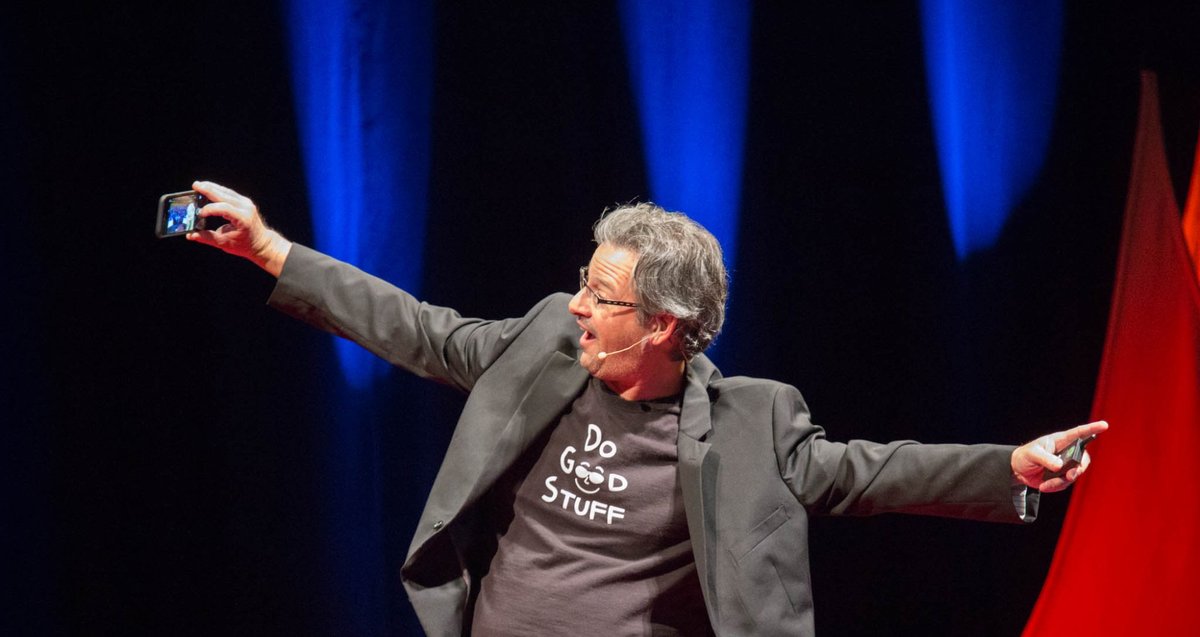
The talk that taught me this was TEDx Mile High, in front of 2,200 people at the Ellie Caulkins Opera House in Denver. I wrote it, scrapped it, and rewrote it three times before it was any good, leaning on friends whose judgment I trusted until the thing finally surfaced. Weeks of work for one talk on one red dot.
That’s the standard a good speaker brings to your event too. Not three rewrites of a TED talk, but the same instinct: the room deserves a talk shaped for it, and shaping it is work you do before you arrive, not filler you improvise on stage.
How to test for it before you book
Ask the speaker how they’d open to your specific audience. Listen for whether they reach for your world or a generic AI script. The right questions to ask surface this fast.
A real customizer will have questions for you, and might admit they can’t fully answer until they’ve learned more about your people. That’s a good sign, not a weak one. The speaker who promises a perfect fit before they know anything about your audience is telling you they have one talk and you’re getting it.
The real test
A speaker who customizes is telling you they’d rather the talk work than be easy to deliver. That’s the whole thing you’re buying.
Ask the questions, listen for a process instead of a promise, and you’ll know within one conversation whether you’re getting a keynote for your room or a rerun of someone else’s.
Frequently Asked Questions
How much should a speaker customize for a single keynote?
Enough that the examples, the language, and the opening feel built for your audience. The core framework can stay consistent, since that’s the intellectual property you’re hiring, but everything the audience touches should feel like it was made for them.
Does customization cost extra?
Usually not as a separate line. For most professional speakers it’s included, because the customization is what makes the talk work. If a speaker treats basic tailoring as an upcharge, that tells you how they think about your event.
What should I give a speaker to help them customize?
Your audience’s roles, their biggest fear about AI, what they’ve already tried, and what you want them believing when they leave. The more specific you are, the more specific the talk comes back.